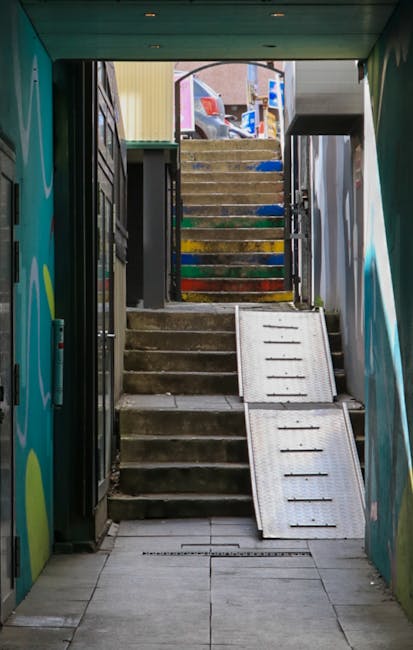
Tight stairs on The Burroughs? Safe narrow-access solutions
Posted on 14/06/2026
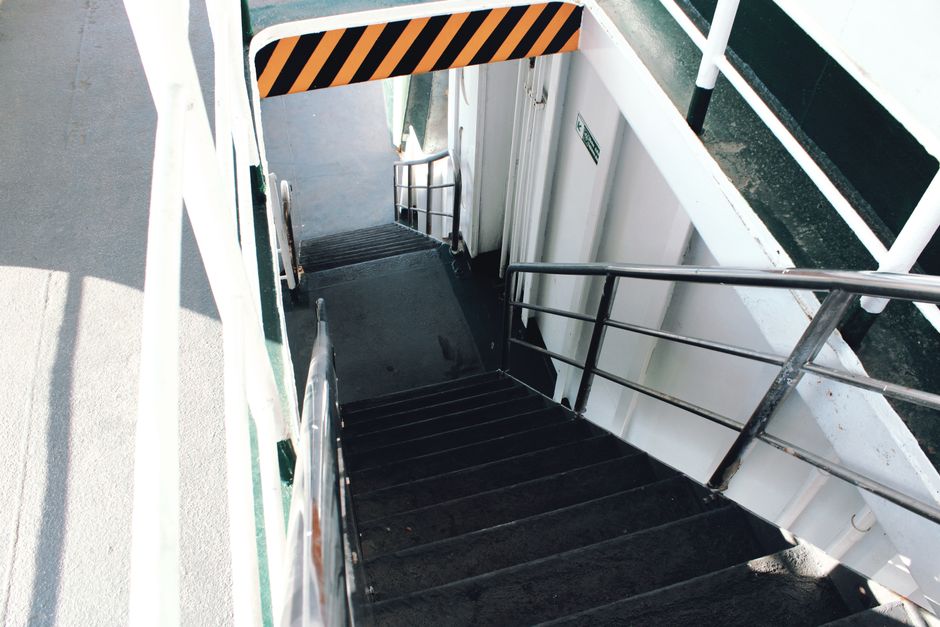
If you are staring at a narrow staircase, a sharp turn, or a landing that feels about two inches too small, you are not alone. Tight stairs on The Burroughs can turn a simple move into a careful bit of planning, especially when you are shifting bulky furniture, white goods, or awkward items like mattresses and wardrobes. The good news? Safe narrow-access solutions do exist, and they are usually less dramatic than people fear. With the right preparation, a sensible lifting plan, and a team that understands awkward access, the move can be managed without the usual panic and scuffed walls.
This guide walks through what narrow-access moving really involves, why it matters, and how to handle it safely in a local NW4 setting. You will also find a practical checklist, a simple comparison table, and a real-world example so you can judge what makes sense for your property, your belongings, and your nerves. To be fair, a calm plan helps more than brute force ever does.
Why Tight stairs on The Burroughs? Safe narrow-access solutions Matters
Narrow stairs change the entire risk profile of a move. The issue is not just whether an item fits through the gap. It is the combination of weight, awkward angles, low ceilings, handrails, turning points, and the simple fact that people get tired. One wrong pivot on a staircase can mean a dropped item, a damaged wall, a strained back, or a blocked route halfway up. That is why narrow-access planning matters from the first measurement, not the last-minute lift.
On The Burroughs and nearby streets, a lot of homes and flats have access quirks that make moving more complicated than it first looks. You might find a tidy frontage but a tight internal stair run, a compact hallway, or a difficult top-floor landing. This is where the right narrow-access solution helps: not by forcing the furniture through, but by matching the method to the space.
There is also a property-protection angle. Scraped banisters, chipped plaster, dents in stair edges, and cracked glass panels are all common in rushed moves. Once the damage is done, the "quick job" suddenly becomes an expensive one. That is why careful access planning is not overkill. It is just sensible.
We have seen plenty of moves where the real problem was not the item itself, but the route. A sofa that looked manageable on the van floor turned into a stubborn shape once it reached a narrow stairwell and met a ninety-degree turn. Bit of a headache, honestly, but avoidable with prep.
If you are already looking at broader moving support, the practical approach usually sits alongside furniture removals in The Burroughs and other planning help from the full services overview. The important thing is choosing the method that fits the access, not the other way round.
How Tight stairs on The Burroughs? Safe narrow-access solutions Works
Narrow-access moving usually starts with assessment. That can be a home survey, a walkthrough, or even a series of photos and measurements if the move is fairly straightforward. The aim is to find the pinch points: staircase width, landing size, ceiling height, banister projections, front-door clearance, and whether the item can be turned vertically, diagonally, or split into parts.
Once the access route is understood, the move method is chosen. In some cases, the answer is careful manual carrying with padding and a clear spotter. In others, the item needs partial dismantling. Sometimes the best move is actually to protect the item and store it temporarily rather than force it through on the day. That is where a measured approach saves both time and stress.
For example, a bed frame might come apart neatly, while a sofa may need the feet removed and the path cleared before any lifting begins. A fridge or freezer often needs more than strength; it needs a stable route, correct grip points, and patience. If you want a more detailed look at moving one of the trickier household items, see hassle-free ways to move a bed and mattress and smart tips for preserving a couch during a move.
Safe narrow-access solutions also rely on communication. Someone needs to call the turns, someone needs to watch the walls, and someone needs to decide when to stop. That last one matters more than people admit. If an item is catching on the banister, the correct move is not "push a bit harder." It is to reset, reassess, and try another angle. Simple, but easy to forget when the clock is ticking.
Typical narrow-access methods
- Measured route planning before any lifting starts
- Careful dismantling of furniture where possible
- Protective wrapping for corners, rails, and doors
- Two-person or multi-person carrying for control and balance
- Use of sliders, blankets, straps, and trolleys where the route allows
- Temporary storage if same-day access is too tight or too risky
Key Benefits and Practical Advantages
The biggest benefit is obvious: fewer accidents. But in practical terms, narrow-access planning gives you several other advantages that are easy to miss until you need them.
First, it reduces damage to the property and to the item being moved. That matters whether you are leaving a rental, preparing a flat sale, or just trying not to mark up your own walls. Second, it can make the whole job faster once the route is clear. A little planning up front often prevents repeated failed attempts on the stairs. Third, it lowers physical strain, which is no small thing if the item is heavy, awkward, or being moved in poor weather.
There is also a confidence factor. When everyone knows the plan, people stop improvising. You can hear it in the change of tone on a move: no more "shall we just try again?" every four minutes. That calm is worth a lot.
Another advantage is better decision-making around what to move and what to separate. Some items are not worth wrestling through a tight stairwell if there is a smarter route. If you are decluttering before a move, the guidance in pre-move decluttering hacks for a smoother transition can help you avoid moving things that are bulky, outdated, or simply not worth the effort.
Finally, narrow-access planning often gives you better timing. If you know the stair route is difficult, you can book the move earlier in the day, avoid rushed evening lifting, and reduce the chance of interference from neighbours or building traffic. A small thing, but it can make the whole day breathe a bit easier.
Who This Is For and When It Makes Sense
This kind of solution is for anyone dealing with awkward internal access, but it is especially relevant if you live in a flat, a converted house, or a property with older stair dimensions. Students moving in and out of compact NW4 accommodation often face this issue, and so do families moving sofas, beds, wardrobes, or appliances into upper floors.
It also makes sense if you are moving a single heavy item rather than a full house. A piano, for instance, is the classic example. The staircase may look fine until the instrument reaches the middle turn, at which point every inch matters. That is why solo handling can be risky, and why specialist planning matters so much. If that sounds familiar, the article on why moving a piano alone can be risky is worth a look.
Commercial moves can be affected too. Office furniture, filing cabinets, and IT equipment all behave differently on stairs. A desk that is easy on paper may be awkward in a stairwell. And when the building has narrow access plus time pressure, the margin for error gets tiny, very quickly.
It makes sense when:
- the staircase is too narrow for normal two-person carrying without careful control
- there are tight turns, low ceilings, or half-landings
- you are moving bulky, heavy, or fragile items
- the property is a rental and you want to avoid damage claims
- you want a smoother move with less strain and fewer delays
If you are a student or moving into a compact property in the area, the local support options behind student removals in The Burroughs can be especially relevant. Small homes need smart planning. That is just the truth of it.
Step-by-Step Guidance
Here is a sensible way to approach narrow stairs without turning the day into a drama.
- Measure the route. Check stair width, landing width, ceiling height, and the size of the item at its widest point. Measure more than once if the route includes corners.
- Identify removable parts. Feet, handles, doors, shelves, and headboards can often be removed to gain vital centimetres.
- Protect the route. Use covers or padding on banisters, corners, and floor edges. Even a blanket in the right place can save a wall.
- Clear the path completely. Shoes, mats, lamp stands, children's toys, and loose clutter all become trip hazards. You do not want a tiny obstruction causing a big wobble.
- Plan the carrying method. Decide who leads, who supports, and who gives instructions. Keep voices calm and brief.
- Test the movement at a safe angle. Before committing, check whether the item can rotate through the awkward point. If not, stop and rethink.
- Use the safest backup option. That may mean dismantling further, moving at a different time, or arranging temporary storage.
One small but useful detail: the first attempt should usually be the slowest. People often rush the first lift because they are eager to get started. That is backwards, really. Slow is smoother. Smoother is safer.
If you are packing in parallel, smart packing tips and tricks can help keep awkward items grouped sensibly, while packing and boxes in The Burroughs can support the broader move setup.
Expert Tips for Better Results
Experienced movers tend to look for the small things that save the day. These are the habits that make awkward access feel manageable rather than impossible.
Tip one: measure the narrowest point, not the widest room. A hallway may look generous, but the stair bend is usually the real bottleneck.
Tip two: remove obstacles before the item even reaches the stairs. In practice, that means opening doors fully, keeping pets out of the way, and staging the item in a clear landing zone.
Tip three: keep your grip consistent. Changing hands mid-carry on a staircase is asking for trouble. If you need a reset, stop and reset properly.
Tip four: wrap corners before the first lift. A banister nicked at the start of a move can become the most annoying part of the whole day. It is always the little marks, isn't it?
Tip five: be realistic about weight. A compact item can still be awkward if it is dense, unevenly balanced, or lacks handholds. This is why heavy object handling is a skill, not just a show of strength. For a closer look, the guide on heavy object lifting made easy for one is useful context.
And one more: if the item is highly valuable or unusually fragile, think in terms of risk reduction first and speed second. That mindset alone saves a lot of grief.

Common Mistakes to Avoid
Let's face it, most narrow-access problems come from the same handful of mistakes.
- Guessing the measurements. "It should fit" is not a measurement.
- Forcing a turn. If it catches, stop. Forcing usually makes the problem worse.
- Skipping route protection. Walls, banisters, and floors take the punishment first.
- Underestimating fatigue. The second or third carry is often where control slips.
- Trying to move too much at once. One awkward item at a time is usually the safer call.
- Ignoring the building layout. Shared entrances, parked cars, and neighbour access can all affect the move.
Another common issue is trying to "save time" by leaving items assembled. In many cases that creates the opposite result. A few minutes with a screwdriver can spare you twenty minutes of frustrating stair gymnastics. Strange but true.
If the move is time-sensitive, particularly for tenant handovers or urgent clearance, it can help to plan early and keep a backup option in mind. That is where rapid clearance help in NW4 becomes relevant for some situations.
Tools, Resources and Recommendations
You do not need a warehouse of specialist kit, but a few well-chosen tools make narrow-access moves safer and calmer.
- Furniture blankets: useful for protecting edges, bannisters, and item surfaces
- Straps: help control grip and reduce the chance of slipping
- Gloves: improve handling and protect hands from splinters or rough surfaces
- Floor protectors: important if the route includes wooden floors or delicate surfaces
- Basic tools: for removing feet, handles, or other detachable parts
- Labels and tape: keep dismantled pieces organised, which sounds boring until you are missing a bolt at 5pm
For broader moving support, the following pages can be useful depending on the job at hand: man with a van in The Burroughs, man and van services, a removal van in The Burroughs, and removal services in The Burroughs.
If storage is part of the plan because the item will not fit safely on the day, take a look at storage options in The Burroughs. Sometimes the smartest narrow-access solution is not to rush it at all.
Law, Compliance, Standards, or Best Practice
For most domestic moves, the key point is not a long list of legal rules. It is the duty to work safely, use reasonable care, and avoid foreseeable damage. In the UK, good moving practice normally means following sensible manual handling principles, protecting the property, and not asking people to lift beyond what is safe for them.
That is especially relevant in stair-heavy properties, because stairs increase the risk of slips, strains, and dropped items. If a move involves employees or contractors, safe systems of work matter. If it involves residents helping out, the same common-sense standard still applies. Nobody wins by pretending a sofa is lighter than it is.
Some buildings may also have their own access rules, shared hallway expectations, or timing arrangements. If so, it is wise to respect them and plan around them. In a rental property, it is also worth checking your inventory photos before and after, so any pre-existing marks are clearly distinguished from new ones.
Best practice usually includes:
- clear communication before lifting begins
- appropriate numbers of people for the item size
- the route fully cleared and protected
- items dismantled where practical
- no rushing on stairs
- stopping immediately if the lift becomes unstable
If you want a sense of the wider company approach to this kind of work, the policies on health and safety and insurance and safety provide helpful background. For service transparency, the pages on pricing and quotes and payment and security may also be useful.
Options, Methods, or Comparison Table
Different access problems call for different solutions. Here is a simple comparison to help you decide what tends to work best.
| Method | Best for | Pros | Watch-outs |
|---|---|---|---|
| Manual carry with padding | Moderately tight stairs, lighter furniture | Fast, flexible, low equipment need | Needs good coordination and enough strength |
| Dismantling furniture first | Wardrobes, bed frames, desks | Creates more clearance and control | Requires tools and time for reassembly |
| Two-person or team carry | Heavy, awkward, or long items | Better balance and communication | Needs clear leadership and pacing |
| Temporary storage | Severe access limits or timing clashes | Reduces pressure and damage risk | Extra step, extra planning |
| Specialist move planning | Pianos, large sofas, awkward appliances | Improves safety and success rate | May need more prep before move day |
The right choice depends on the item, the staircase, and the people available. If you are dealing with a flat move, you may also find flat removals in The Burroughs a useful service option to explore. For larger family moves, house removals in The Burroughs may be more suitable.
Case Study or Real-World Example
Picture a typical NW4 flat move on a damp Tuesday morning. The front entrance is fine, the hallway is narrow but manageable, and the problem only shows itself at the staircase. The sofa is not huge, but it has chunky arms and no easy handholds. The first glance says "probably okay." The second glance, from the bottom of the stairs, says "hmm, maybe not."
Instead of forcing it, the team checks the measurements, removes the sofa feet, wraps the corners, and clears the landing completely. One person guides from below, another supports the upper end, and the item is rotated gradually rather than hauled in one go. It still takes patience. There is still a moment where everyone pauses at the turn. But because the route is protected and the lifting is controlled, the sofa gets upstairs without a mark on the wall. No drama, no raised voices, no mystery scratch to deal with later.
That kind of outcome sounds small, but it matters. For the customer, it means the room is ready the same day. For the movers, it means a safe finish instead of a risky shortcut. And honestly, the relief in the room is obvious. You can almost hear the exhale.
In situations where timing is tighter, for example around student moves or quick turnarounds, it can help to plan around local access patterns too. The articles on student move routes from Brent Cross to The Burroughs, street access and parking on The Burroughs, and safe loading and park access tips for Hendon Park moves show how local logistics can influence the day.
Practical Checklist
Use this checklist before move day if narrow stairs are part of the picture.
- Measure the staircase, landings, doors, and the item itself
- Identify any detachable parts and pack fixings separately
- Clear the route from both ends
- Protect walls, bannisters, and floors
- Decide who is leading and who is spotting
- Check whether the item can be turned or carried vertically
- Prepare blankets, straps, gloves, and basic tools
- Have a backup plan if the item will not pass safely
- Keep children and pets away from the route
- Allow extra time for awkward turns and pauses
- Do not attempt a lift that feels unstable
- Consider storage if timing or access is too tight
A short pause here helps: if the route already feels too tight in your head, it probably deserves a more cautious plan in real life. Trust that instinct.
Conclusion
Tight stairs on The Burroughs do not have to derail your move. With accurate measurements, sensible preparation, and a safe narrow-access method, even awkward items can usually be handled without chaos. The real win is not just getting everything upstairs or out the door. It is doing it with fewer risks, less strain, and a lot less damage potential.
Most problems on narrow stairs come from rushing, guessing, or trying to brute-force the route. Most good outcomes come from the opposite: patience, planning, and knowing when to change the method. That is the quiet secret here. The move may still be challenging, but it does not need to be stressful. Not if it is handled properly.
If you are facing a tricky staircase, a bulky item, or a move that needs extra care, it is worth comparing the available support options early and choosing the route that protects both your belongings and your building.
Get a free quote today and see how much you can save.