Bulky waste on The Burroughs: removal options explained
Posted on 29/05/2026
If you've got an old sofa blocking the hallway, a broken fridge sitting in the kitchen, or a mattress that has somehow become part of the furniture, you're not alone. Bulky waste has a way of lingering far longer than anyone plans, especially in busy homes, flats, and shared properties around The Burroughs. The good news is that there are sensible ways to deal with it without turning your week upside down.
This guide explains the main bulky waste removal options in plain English, what each route is best for, where the pitfalls usually appear, and how to choose the right approach for your situation. Whether you're clearing space before a move, replacing furniture, or just trying to reclaim a room that has quietly become a storage zone, you'll find a practical path here. And yes, we'll keep it grounded. No waffle.

Why bulky waste removal matters
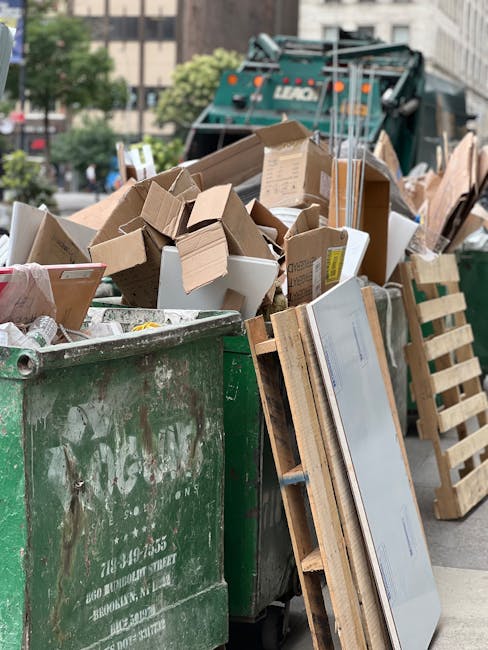
Bulky waste is not just "stuff you don't want anymore". It includes large items that are awkward to lift, hard to store, and often unsuitable for ordinary household bins. Think sofas, wardrobes, bed frames, mattresses, appliances, office desks, exercise equipment, shelving, and the kind of odd-shaped items that never seem to fit through a doorway when you need them to. A single item can become a real problem if it is left in a shared hallway, on a narrow stairwell, or outside where it blocks access.
For homes and landlords around The Burroughs, the issue is often part practical, part timing. Maybe you are between tenants. Maybe you're doing a pre-move clear-out and the room has filled up with "we'll deal with that later" items. Or maybe you simply want a safer, tidier space. To be fair, bulky waste tends to snowball. One item becomes three, and before long you're looking at a mini warehouse in the spare room.
There's also the safety angle. Large items can cause trips, pinch fingers, scratch walls, and strain backs. If you've ever tried to pivot a heavy wardrobe around a tight corner, you'll know the sound of trouble before you even see the dent. That's why a proper removal plan is worth more than it first appears.
For people also dealing with moving day, decluttering or furniture rearrangement, it can help to look at related local services such as removals in The Burroughs, man and van support, or the broader services overview to see how bulky waste clearance may fit into a larger job.
How bulky waste removal works
At a basic level, bulky waste removal means identifying the item, deciding where it should go, and choosing the most suitable removal route. That route might be a council collection, a private removal service, a reuse or donation option, or a van-based clearance job where items are collected and transported responsibly.
The process usually follows the same rough pattern:
- Sort the item into keep, reuse, recycle, or dispose.
- Check whether it can be safely carried out of the property without damage.
- Choose the removal method that suits the size, weight, and urgency.
- Prepare access, parking, and any disassembly needed.
- Remove the item and make sure it goes to the correct destination.
That sounds simple on paper. In real life, the sticking points are usually access and weight. A sofa may be bulky but light enough for two people. A fridge freezer, by contrast, is awkward, heavy, and often best handled with proper lifting technique. If you want a deeper look at moving and handling heavy items safely, the guide on heavy object lifting is a useful companion read. There's also a reason people call in specialists for tricky loads; the article on solo piano moving risks shows how quickly a simple lift can go sideways.
In practice, the "right" option depends on whether you care most about speed, cost, convenience, or environmental outcome. Sometimes a same-day collection is the answer. Sometimes a planned clearance is better. And sometimes the smartest move is to pause, rehome what can still be used, and only then arrange disposal. Quietly efficient. Much less stress.
Key benefits and practical advantages
There's a reason organised bulky waste clearance makes life feel lighter almost immediately. You're not just removing an object; you're removing friction from the home.
- More space: Clearing one oversized item can make a room usable again, especially in smaller flats and shared homes.
- Better safety: Fewer trip hazards, fewer unstable stacks, and less manual handling risk.
- Cleaner appearance: A room feels calmer when the clutter is gone. That's not just aesthetic, it changes how the space works.
- Less moving-day stress: If you're preparing for a move, bulky waste removal makes packing simpler and faster. For that side of the job, pre-move decluttering hacks and smart packing tips fit neatly alongside clearance planning.
- Potential reuse and recycling: Not everything needs to go straight to disposal. Some items can be repurposed, repaired, or broken down into recyclable components.
Another benefit that people sometimes overlook is timing. If a bulky item is removed before a move, renovation, or deep clean, everything else becomes easier. You can sweep properly. You can measure the room correctly. You can get boxes to stack without some old armchair getting in the way. Small thing, big difference.
If you're preparing a property for handover, a more comprehensive approach can help. A useful pairing is deep cleaning before moving day, because it's much easier to clean a room once the large items are out.
Who this is for and when it makes sense
Bulky waste removal is relevant to a lot more people than you might think. It is not only for major clearances or full house moves. In fact, some of the most common situations are quite ordinary.
- Homeowners replacing furniture: Old sofas, wardrobes, dining tables, and beds need to go somewhere.
- Renters and flat sharers: Shared properties often accumulate abandoned furniture, especially if a room has changed use over time.
- Landlords and agents: End-of-tenancy clearances often involve one or two awkward items left behind.
- Students: At the end of term, unwanted furniture and broken appliances can pile up fast. For local support, see student removals in The Burroughs.
- Small offices and home offices: Desks, chairs, filing units, and old IT furniture often need clearing together. If that sounds familiar, office removals in The Burroughs may be a better fit than a one-off bin solution.
- Anyone downsizing: A move to a smaller property often reveals just how much unnecessary bulk has been hiding in plain sight.
It makes sense when the item is too large for normal waste collection, too heavy to handle safely alone, or too awkward to transport without a van. It also makes sense when you simply want the job done without spending the afternoon wrestling a mattress down a stairwell. Let's face it, nobody enjoys that bit.
Step-by-step guidance
Here is the most practical way to approach bulky waste removal on The Burroughs, whether you're doing one item or a whole clear-out.
1. Identify exactly what needs to go
Walk through the space and list the items. Be specific. "Old furniture" is not enough if you want a sensible quote or plan. Note whether items are broken, reusable, flat-pack, heavy, or contaminated by mould, food residue, or pests.
2. Decide what can be reused or sold
Not every item needs to be treated as waste. A decent chest of drawers, a serviceable sofa, or a working freezer may still have life left in it. If you're storing items temporarily while deciding, the guide on storing a dormant freezer can be surprisingly relevant.
3. Check access and lifting difficulty
Measure doorways, stairs, and hallways. If the item needs to be dismantled, do that first where safe. This is where many jobs get delayed. An item that looks manageable in a room can become impossible once it reaches the landing.
4. Choose the removal route
Now decide whether it should go via council collection, private collection, reuse, or a van-based clearance. If it is part of a larger move or you need other items shifted too, a man with a van in The Burroughs or a dedicated removal van can be more efficient than multiple small trips.
5. Prepare the property
Clear hallways, protect flooring if needed, and make sure parking or access arrangements are sorted. If you're moving a sofa or mattress as part of the job, the articles on couch preservation and bed and mattress moving are useful for avoiding damage during handling.
6. Remove and sort responsibly
Good bulky waste handling does not end when the item leaves the building. It should be sorted for reuse, recycling, or disposal at the appropriate place. That part matters. It is what separates a tidy clearance from a messy one.
7. Finish with a proper reset
Once the space is empty, clean it while it is clear. Vacuum under furniture. Wipe skirting boards. Deal with any marks while they are visible. A room always looks better after a proper reset than after a rushed dump-and-run.
Expert tips for better results
A few small decisions can make a bulky waste job much smoother.
- Book ahead when you can: If the job is not urgent, planning gives you better access to options and fewer last-minute problems.
- Be honest about item condition: A sofa with a broken frame, a mattress with staining, or a fridge with missing parts may need a different route from a clean, reusable item.
- Take photos before booking: This helps with accurate pricing and avoids surprises on the day.
- Group similar items together: If you have multiple bulky pieces, doing them in one visit is usually simpler than spacing them out.
- Think about the exit route: Most damage happens on the way out, not in the room. Corners, banisters, and low ceilings can be awkward.
- Use proper lifting technique: Bend the knees, keep the load close, and don't twist under weight. Common sense, but easy to forget when you're in a hurry.
One practical observation from real jobs: the item that seems least troublesome is often the one that causes the delay. A light but oversized wardrobe door, for example, can be more awkward than a heavier item with decent handholds. Strange, but true.
If your bulky waste clearance sits alongside a larger home move, it is worth looking at furniture removals in The Burroughs or house removals in The Burroughs, since those services may align better with the scale of the job.
Common mistakes to avoid
Most bulky waste problems are avoidable. The same handful of mistakes crop up again and again.
- Leaving it until the last minute: That turns a straightforward task into a rush job.
- Guessing the item size: If you underestimate, the van, crew, or access plan may be wrong.
- Forcing heavy lifting alone: This is where backs get tweaked and walls get marked. Not worth it.
- Ignoring parking or access: A perfectly good plan can fail if the vehicle cannot get near the property.
- Assuming everything is rubbish: Reusable furniture should usually be separated from true waste.
- Not checking what the provider includes: Some jobs need dismantling, carry-down, or sorting clarified in advance.
There is also a less obvious mistake: treating bulky waste as a single, simple category. A mattress, a freezer, and a bookcase are all bulky, but they behave differently. They have different handling needs, different disposal routes, and different risks. That distinction matters more than many people realise.
Tools, resources and recommendations
You do not need a warehouse full of equipment to handle bulky waste well, but a few practical tools help a lot.
- Measuring tape: Essential for checking doorways, stair widths, and item dimensions.
- Gloves: Useful for grip and protection from splinters, grime, or sharp edges.
- Furniture blankets or coverings: Helpful if the item needs to pass through a tight hallway or share a van with other goods.
- Basic tools for dismantling: A screwdriver set or Allen keys can save time if the item is designed to come apart.
- Straps or ties: Helpful for bundling smaller pieces and keeping parts together.
- Clear labels or notes: Great for separating keep, donate, recycle, and dispose piles.
For people who want a smoother end-to-end process, the broader local support network can make a difference. Packing and boxes in The Burroughs can help when bulky waste is part of a larger sort-out, while storage in The Burroughs is handy if you are not yet ready to let go of items permanently.
If the job is part of a larger transition, the planning article on stress-free moving is a good reminder that moving and clearing work best when they are not left to chance.
Law, compliance, standards, and best practice
Bulky waste removal should always be handled with care and responsibility. In the UK, the practical expectation is straightforward: waste should be transferred to a legitimate route, handled safely, and not fly-tipped or dumped. If someone is removing waste on your behalf, it is sensible to make sure they act responsibly and that the load is traceable to a proper disposal or recycling destination.
From a best-practice point of view, good providers should be clear about what they are collecting, how they handle lifting, whether items are suitable for recycling or reuse, and how they manage safety on site. If a job involves stairs, tight access, fragile floors, or very heavy items, those details should be discussed up front rather than discovered halfway down the landing. That's where complications usually start.
It is also wise to consider building rules, landlord requirements, and shared-access etiquette. In a block of flats, for example, bulky waste left in communal areas can create access and fire-safety issues. That's not just inconvenient; it can become a real problem for neighbours too. If you are working in a managed property, check what needs to be agreed before removal day.
For peace of mind, you can also review practical standards around safety and service expectations on pages such as health and safety policy and insurance and safety. Those pages are useful when you want to understand how a provider approaches risk, handling, and care.
Expert summary: the safest bulky waste solution is usually the one that balances access, lifting safety, reuse potential, and proper disposal. Fast is good. Safe is better. Both together is ideal.
Options and comparison table
There is no single "best" removal method for every bulky item. The right choice depends on urgency, item condition, and how much help you need.
| Option | Best for | Pros | Things to watch |
|---|---|---|---|
| Council bulky waste collection | Simple items, planned clear-outs | Usually straightforward for standard household waste | May have booking lead times and item restrictions |
| Private bulky waste removal | Multiple items, awkward access, faster turnaround | Flexible, convenient, often more hands-on | Costs can vary depending on load size and labour |
| Reuse or donation route | Good-condition furniture and appliances | Extends item life, reduces waste | Item must usually be suitable and presentable |
| DIY disposal with a van | Small number of manageable items | Can work well if you have transport and time | Heavy lifting, disposal handling, and time on the road |
| Part of a wider removal service | Clear-outs linked to moving, downsizing, or renovation | Efficient when several jobs are happening at once | Needs coordination and clear scope |
For many households, the deciding factor is not just price. It is the amount of effort involved. A cheaper option that takes three trips, two borrowed screwdrivers, and a bruised shin can quickly lose its appeal. Sometimes a more complete removal service makes more sense because it solves the whole problem in one go.
Case study or real-world example
A typical example in The Burroughs might look like this: a small flat is being prepared for a move, and the occupants discover an old sofa, a bed base, a broken freezer, and a wobbly office chair that somehow became permanent. At first, they consider leaving everything until moving day. Then reality kicks in. There is no room to pack properly, the hallway becomes cluttered, and the freezer is too awkward to shift safely without planning.
The better approach is to separate the items by type. The sofa is checked for reuse potential, the bed base is dismantled where possible, the freezer is handled as a heavy appliance, and the office chair is grouped with smaller waste. Once access is measured and the timing is set, the job becomes much calmer. Instead of a full-day struggle, the space is cleared in one planned visit and the move can actually get moving.
That same logic applies to other items too. A mattress, for example, can seem harmless until you try to carry it down a narrow stairwell on your own. For a local guide that ties directly into this kind of job, the article on moving a bed and mattress is a useful reminder that bulky items need the right handling, not just determination.
Practical checklist
Use this checklist before arranging bulky waste removal:
- List every item you want removed.
- Measure large pieces and note access restrictions.
- Decide what can be reused, sold, stored, or recycled.
- Check whether the item needs dismantling.
- Confirm whether there are stairs, narrow hallways, or parking limits.
- Take photos if you need a quote or want to explain the job clearly.
- Separate hazardous or contaminated items from standard bulky waste.
- Prepare the route from room to vehicle.
- Remove loose contents from furniture, drawers, and appliances.
- Arrange the collection at a time that suits the property and neighbours.
- Plan for a quick clean-up once the item is gone.
Quick takeaway: the more clearly you define the job before collection day, the smoother everything goes. Sounds obvious, but it saves a lot of trouble.
Conclusion
Bulky waste removal on The Burroughs does not need to be a hassle. Once you understand the item, the access, and the best route for disposal or reuse, the whole process becomes far more manageable. Some jobs suit a simple clearance. Others are better handled as part of a move or larger home project. The key is choosing the option that fits the reality of the item, not the other way round.
If you are clearing a flat, preparing for a move, or just trying to get your home back to a sensible state, a bit of planning goes a long way. And frankly, the relief of seeing a room open up again is hard to beat. Fresh floor space, clear corners, no awkward pile in the doorway. Nice.
For a straightforward next step, compare your item list with the service type that best fits your situation, whether that is a van-based collection, a full removal job, or a flexible local clearance approach.
Get a free quote today and see how much you can save.
When the bulky stuff is finally out of the way, everything else tends to breathe a little easier.