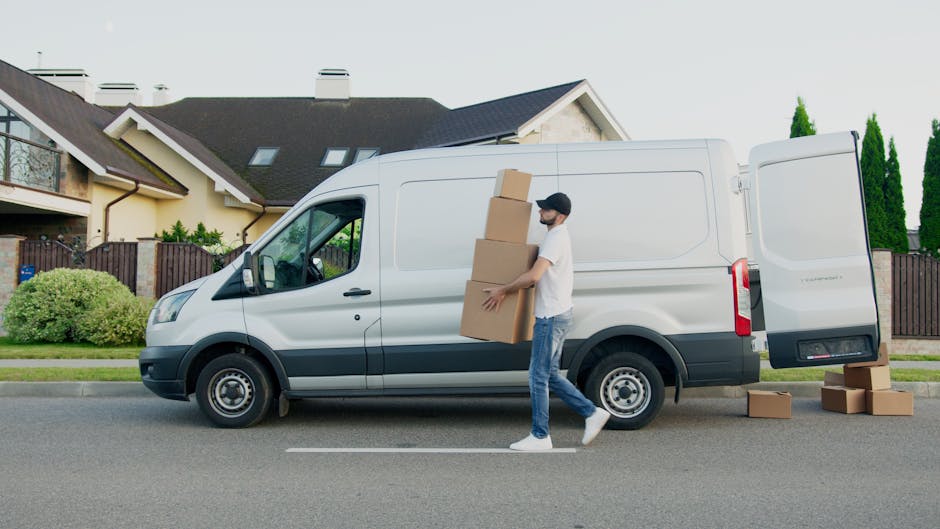
Hendon Central access tips for man with van on The Burroughs

If you are planning a move, delivery, or furniture collection near Hendon Central, the last thing you want is a van that can't stop safely, blocks traffic, or gets stuck trying to turn around. That is exactly why Hendon Central access tips for man with van on The Burroughs matter. The street can look straightforward on a map, but in real life access is about timing, kerb space, foot traffic, nearby junctions, and how quickly you can load without getting in everyone's way. A small bit of planning makes the day feel far less frantic.
In this guide, we'll walk through the practical side of working on The Burroughs: how access usually works, what to check before the vehicle arrives, how to reduce delays, and what to avoid if you want the job done neatly. You'll also find a checklist, a comparison table, and a realistic example from an everyday move. Nothing fancy. Just the sort of advice that saves time and a few headaches.
- Why access planning matters on The Burroughs
- How man and van access typically works
- Key benefits of planning ahead
- Who this guide is for
- Step-by-step access guidance
- Expert tips from the job side
- Common mistakes to avoid
- Tools, resources and recommendations
- Law, compliance and best practice
- Access options compared
- Real-world example
- Practical checklist
- Conclusion
- Frequently asked questions
Why Hendon Central access tips for man with van on The Burroughs Matters
Access is one of those things people only notice when it goes wrong. On a busy North West London road, even a short stop can become awkward if the van is too large, the loading point is unclear, or you've underestimated how much pedestrian and traffic movement there is around the area. The Burroughs is not the sort of place where you want to be improvising on arrival. A well-planned stop helps keep the move calm, quick, and respectful to neighbours.
For man and van jobs, access matters even more because the service is usually built around efficiency. You are paying for practical help, not time spent circling the block. If the van can pull in cleanly, the team can get the lifting done, the route stays safer, and your belongings spend less time on the pavement. Simple really, but easy to overlook.
There is also a trust angle. Good access planning tells the operator that you understand the realities of moving in London. That usually leads to better advice, a more accurate quote, and fewer awkward "oh, by the way" moments on the day. If you want to see how a professional service frames that approach, the broader man with van service information is a useful starting point, and for larger or more awkward jobs you may want to compare it with removal services.
How Hendon Central access tips for man with van on The Burroughs Works
In practice, access planning is just matching the vehicle, timing, and loading method to the street. A van does not need the same space as a lorry, which is one reason a man and van arrangement can be ideal for smaller home moves, student moves, single-room clearances, or furniture pick-ups. But smaller does not mean effortless. The van still needs room to stop, the driver needs a sensible route in and out, and someone still needs to carry items safely.
On The Burroughs, the most important part is often the handover between the road and the property. Is there a safe point close to the front door? Can the van wait without blocking? Is there a lift, stairs, a narrow hallway, or a tight turn at the entrance? These details affect how long the job takes and whether the crew can work efficiently. A good operator will ask about them before arrival. If they don't, you should volunteer the information anyway. No one likes surprises at 8:15 on a wet morning.
It also helps to distinguish between the vehicle and the service. A moving van may suit typical household items, while a moving truck is usually better for bulkier loads or larger relocations. If you are unsure which size is right, being honest about access constraints is half the battle. A slightly smaller vehicle that can stop properly is often better than a bigger one that creates delays.
Key Benefits and Practical Advantages
Good access planning gives you more than convenience. It changes the whole tone of the move. Here's what tends to improve when the details are thought through properly.
- Faster loading and unloading: A clear stopping point means fewer wasted steps and less time carrying items.
- Lower risk of damage: Shorter distances from door to van usually means fewer bumps, scrapes, and awkward angles.
- Less stress for everyone: The driver, movers, neighbours, and you all have a calmer experience.
- More accurate timing: If the access is understood in advance, the schedule is easier to estimate honestly.
- Better value: Less time spent dealing with access issues can mean a more efficient job overall.
There's also a subtle but important benefit: smoother access makes it easier to keep everything tidy. Boxes go out in ordered runs. Furniture is moved with fewer pauses. The van is packed more logically. That sounds small, but it matters when you're already juggling keys, landlords, and the little panic that always seems to arrive just before the final sweep-through of the property.
If you are comparing service levels, it can be useful to look at home moves for domestic relocations, or broader movers support if you need help with a more varied job. For businesses, commercial moves and office removals usually need even tighter access planning because timing windows are stricter and entrances can be more awkward.
Who This Is For and When It Makes Sense
This guidance is useful if you live on or near The Burroughs, are moving to or from Hendon Central, or are arranging a collection where access could be tight. It is especially relevant for:
- flat moves with limited on-street space
- student relocations
- single-item or furniture deliveries
- small office or studio moves
- jobs that need quick turnaround and minimal disruption
- anyone booking a man with van for the first time
It also makes sense if you are trying to choose between a basic van hire and a more hands-on removal company. A removal company can be the better fit if the job involves multiple rooms, awkward access, or more labour than you can comfortably manage yourself. If you just need help lifting, transporting, and unloading a smaller load, a van-based service may be enough.
Truth be told, some people only realise access matters when a sofa reaches the doorway and everyone goes quiet. Will it fit? Will it turn? Can it be angled through the hall? A quick access check before booking saves that moment entirely.
Step-by-Step Guidance
If you want the day to run smoothly, follow a simple process. It does not need to be complicated.
- Check the property access first. Look at the street outside, the pavement width, the doorway, stairs, and any loading restrictions. If you can, stand outside at roughly the time of day the van will arrive.
- Measure the awkward bits. Door frames, stair turns, long corridors, and bulky furniture are the places where delays happen. A tape measure helps more than people expect.
- Decide where the van can stop. The safest option is not always the closest kerb space. Think about visibility, traffic flow, and whether the vehicle can leave without a difficult reverse.
- Share the details clearly when booking. Let the operator know about flats, top floors, no lift, narrow access, limited parking, or shared entrances. That information helps them bring the right vehicle and enough time.
- Prepare the load the night before. Boxes labelled, furniture dismantled where needed, and essentials kept separate. That saves a lot of fumbling on the day.
- Keep a path clear. In a busy hallway, one extra bag or plant pot can become a nuisance. Clear space means quicker movement and fewer stumbles.
- Set one person to coordinate. Too many instructions from too many people slows the job down. One calm point of contact works best.
For packing-heavy jobs, the support available through packing and unpacking services can be a real lifesaver. And if you are shifting heavier items or need more robust handling, man with van removal is often a stronger fit than a simple courier-style move.
A small but useful habit: take a photo of the street outside the property and send it in advance if the company asks. It is not glamorous, but it helps. You'd be surprised how often a quick image clears up a parking question before it turns into a delay.
Expert Tips for Better Results
Here are the little details that tend to make a good move feel effortless.
- Book for a quieter window if you can. Midday can be easier than rush-hour slots near busier junctions.
- Keep the front door open only when needed. That avoids confusion about where items are going and helps preserve security.
- Disassemble bulky furniture early. Wardrobes, bed frames, and large desks are often easier to move in parts.
- Use colour or room labels. A simple marker on boxes saves time when unloading.
- Plan for weather. A dry route is always best, but London weather has opinions of its own, so have covers or blankets ready.
- Leave enough time at both ends. Access problems often happen at the destination, not the collection point.
One thing people forget: a van can be perfectly fine for the item count but still be wrong for the access pattern. For example, if there is nowhere sensible to stand, or if the loading route involves awkward steps, you may need a different approach even for a small load. That's where talking through the job with a reliable removal services provider is genuinely worthwhile.
And yes, a little patience helps. Not everything on moving day goes exactly to plan. That's normal. The goal is not perfection; it is keeping the job safe, orderly, and as stress-free as possible.
Common Mistakes to Avoid
Most access issues are avoidable. They usually come from assumptions. Here are the big ones.
- Assuming the van can stop anywhere. In practice, kerb space is the difference between a quick move and a frustrating one.
- Not mentioning stairs or narrow hallways. These details change how the job should be planned.
- Packing too late. Last-minute packing creates chaos, and chaos always takes longer than you think.
- Ignoring parking pressure. Even if you can see a space now, it may not be there when the van arrives.
- Booking the wrong vehicle size. Too small means extra trips. Too large can mean poor access.
- Failing to protect fragile items. More carrying distance means more handling, so cushioning matters.
A classic mistake is treating access as a side issue. It isn't. It is part of the service. If you sort access properly, the rest of the move becomes much easier. If not, the day can feel oddly slippery, like every small task takes longer than it should.
Tools, Resources and Recommendations
You do not need specialist equipment for most jobs, but a few basic tools help a great deal.
- Tape measure: For door widths, sofa lengths, and awkward turns.
- Marker pens and labels: So boxes end up in the right room.
- Protective blankets or wraps: Useful for furniture edges and polished surfaces.
- Gloves and sturdy footwear: Not glamorous, but sensible.
- Phone camera: Handy for sharing access photos or recording how furniture was arranged.
From a service perspective, it is worth reviewing useful company pages before booking. The information on insurance and safety is worth a look if you want to understand how item protection and risk are handled. If you care about the practical side of costs, pricing and quotes can help you frame the job before you commit. And if you prefer to know who you're dealing with, the about us page is the sensible place to start.
For people moving out of a property and looking to dispose of one or two items responsibly, furniture pick up can be a neat option. If you are trying to reduce waste from a move, the company's recycling and sustainability approach is also relevant. Little details, yes, but they add up.
Law, Compliance, Standards, or Best Practice
For moves around Hendon Central and The Burroughs, the safest approach is to follow standard UK road and workplace good practice rather than trying to wing it. That means stopping legally and safely, keeping pavements clear, avoiding dangerous obstruction, and making sure lifting is done in a controlled way. If a job is likely to affect traffic or pedestrians, caution matters more than speed.
For business moves, office relocations, or any job involving staff and repeated lifting, employers and contractors should pay attention to health and safety duties. That includes sensible manual handling, clear routes, and proper risk awareness. The exact requirements depend on the job, but the principle is the same: no item is worth rushing into a bad lift or a dangerous stop.
Best practice also means clear terms, secure payments, and transparent complaints handling. If you are comparing providers, it is worth checking payment and security and terms and conditions so you know what to expect. For reassurance on how concerns are handled, the complaints procedure is there for a reason. Nobody wants to use it, naturally, but it is good to know it exists.
In short: safe access, honest communication, and clear planning are the standards that matter most. The rest is just good housekeeping.
Options, Methods, or Comparison Table
If you are deciding how to handle access on The Burroughs, this simple comparison may help.
| Approach | Best for | Strengths | Trade-offs |
|---|---|---|---|
| Small man and van | Light moves, single items, compact loads | Easier to park, quicker to manoeuvre, often ideal for tighter streets | May need extra trips if the load is underestimated |
| Standard moving van | Typical household moves | Good balance of capacity and access | Still needs sensible stopping space |
| Larger moving truck | Larger homes or heavier moves | More capacity, fewer back-and-forth trips | Harder to manage in narrow or busy access points |
| Full removal company support | Complex, time-sensitive, or high-volume moves | More hands, more planning, often less stress | Usually more involved than a simple van booking |
There is no single "best" option for everyone. The right choice depends on access, volume, time, and how much lifting you want to do yourself. If you are still weighing things up, browsing removals alongside removals near me can help you compare the style of service you need, while removal van and removals van pages may suit smaller jobs where access is the main issue.
Case Study or Real-World Example
Picture a fairly ordinary move: a one-bedroom flat near Hendon Central, a sofa, a bed frame, a couple of shelves, half a dozen boxes, and a tight window between school-run traffic and a neighbour's delivery. Nothing dramatic. But enough to go wrong if the access is ignored.
In a case like that, the successful version usually looks like this: the customer confirms the entrance is at street level, mentions that the hall is narrow, and sends a quick photo of the frontage. The van arrives at an agreed time, stops in the safest feasible spot, and the larger furniture is carried out first while the path is clear. Boxes follow in a tidy sequence. The whole thing takes less fuss because the access problem was solved before the doors even opened.
Now compare that with the messier version. No one checks the stopping point. The driver circles twice. The sofa is left waiting while someone clears the hallway. A box gets wedged behind a coat stand. It's all fixable, of course, but it adds noise, time, and a slightly frazzled mood. Not ideal. The funny thing is that both jobs can involve the same van and the same number of items. Access is what changes the day.
If the move is bigger than expected, it can be worth bringing in more structured support through house removals or the broader house movers service path. For business premises, office relocation services can make access and sequencing much easier to control.
Practical Checklist
Use this before the van arrives. It keeps things tidy and saves repeat trips back into the property.
- Confirm the exact pickup and drop-off address
- Check whether the van can stop safely near the entrance
- Note stairs, lifts, narrow corridors, and tight corners
- Measure the largest furniture items
- Disassemble anything bulky where possible
- Label boxes by room and priority
- Protect fragile items with padding or blankets
- Keep walkways clear inside the property
- Share any access photos with the mover in advance
- Agree who will be the main contact on the day
- Check payment details and booking terms beforehand
- Have keys, parking notes, and essentials ready
If you are handling a more mixed job, the company's movers and removal companies pages may help you decide what level of support is sensible. For small but fiddly collections, the classic furniture pick up option often keeps things straightforward.
Get a free quote today and see how much you can save.
Conclusion
Good Hendon Central access tips for man with van on The Burroughs come down to a simple truth: the smoother the access, the smoother the move. You do not need to overcomplicate it. Check where the van can stop, be honest about the layout, measure the awkward furniture, and keep the loading route clear. That alone removes a surprising amount of stress.
Whether you are moving a single room, a full flat, or a small business load, access is the part that turns a decent plan into a practical one. Get that right, and the day feels lighter. Less clatter, less rushing, fewer surprises. And honestly, that's worth a lot.
Small planning now, easier moving later. That's the whole game, really.
Frequently Asked Questions
What is the main challenge with man with van access on The Burroughs?
The main challenge is usually finding a safe and practical place to stop without blocking traffic, pedestrians, or neighbouring entrances. A short stop can still be awkward if the street is busy or the frontage is tight.
Should I send access photos before the move?
Yes, if the company asks for them. A quick photo of the frontage, parking area, or entrance can clear up a lot of confusion and helps the driver prepare properly.
Is a small van better than a larger vehicle for The Burroughs?
Not always, but a smaller van is often easier to position where street space is limited. The right choice depends on both the load size and how easy it is to stop near the property.
What if there is no parking space outside?
That is common in London. In that case, the goal is to find the nearest safe stopping point and keep the carry distance as short and clear as possible. Tell the mover in advance so they can plan around it.
Do stairs and narrow hallways really affect the booking?
Absolutely. They affect loading speed, lifting effort, and the amount of time needed on site. If you forget to mention them, the plan may be off from the start.
How early should I prepare for a man and van move?
As early as you reasonably can. Ideally, packing and furniture prep should be done the day before. Last-minute sorting tends to slow everything down and creates more risk of damage.
What kind of move suits a man and van service best?
It usually suits smaller home moves, single-room moves, furniture collections, and compact loads. If the move is larger or more complicated, you may want to look at broader removal support.
Do I need to dismantle furniture before collection?
Not everything, but it helps with larger pieces like bed frames, wardrobes, and some desks. Dismantling can make access easier and reduce the chance of scraping walls or door frames.
What should I check about terms and payment before booking?
Check what is included, how payment is handled, and whether there are any conditions around waiting time, access issues, or cancellations. A quick read through the booking details can prevent awkward surprises later.
Can I use this guide for office moves as well?
Yes, the same access principles apply, but office moves often need more planning around timing, lifting, and building access. For those jobs, a service like office relocation support is often more suitable.
What is the biggest mistake people make with local access planning?
The biggest mistake is assuming the van can just arrive and sort itself out. In reality, the best jobs are the ones where stopping space, load order, and access details are discussed before moving day.
Who should I contact if my move involves more than just a simple van job?
If your move includes more rooms, heavier furniture, or more complex access, a wider removal services option may be the better fit. It gives you more flexibility and usually more support on the day.