Brent Cross delivery spots that save time and cost for The Burroughs moves
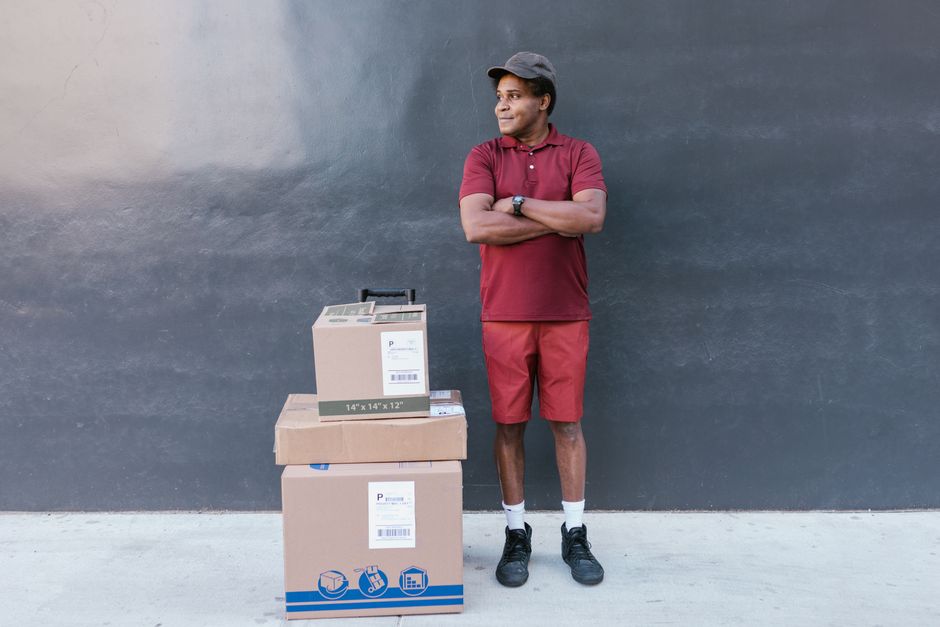
If you are planning a move around NW4, the difference between a smooth day and a stressful one often comes down to one thing: where the van stops. The best Brent Cross delivery spots that save time and cost for The Burroughs moves are not glamorous, but they are practical, legal, and close enough to make loading far less painful. A good drop-off point can cut walking distance, reduce waiting time, and help you avoid the kind of parking faff that quietly eats money. Let's face it, nobody wants to carry a sofa two streets further than necessary on moving day.
This guide breaks down how to choose sensible delivery spots near Brent Cross, how they affect access on The Burroughs, and what to watch out for if you want to keep the move efficient. You will also find a step-by-step plan, a comparison table, a checklist, and a realistic example based on the kind of access issues people actually run into in this part of Barnet.
Why Brent Cross delivery spots that save time and cost for The Burroughs moves Matters
On paper, any nearby kerbside space may look fine. In practice, the right Brent Cross delivery spot can be the difference between a tidy one-trip unload and an awkward chain of short carries, double parking, or multiple return journeys. Around The Burroughs, access conditions can shift quickly because of traffic flow, busier retail approaches, school runs, and the usual London reality: a space that looked available five minutes ago may vanish just as you need it.
The reason this matters is simple. Moving costs are shaped by time, labour, and vehicle access. If the team can park close to the property, they spend less time walking back and forth with boxes, fewer items are at risk of damage, and the whole operation moves at a calmer pace. A shorter unload also helps when weather turns awkward. Nobody enjoys hauling a wardrobe through damp air in a cold morning drizzle while someone stands holding a door open with a face that says, well, this is not ideal.
For moves starting or finishing near The Burroughs, a delivery spot near Brent Cross can also be useful because it gives you a practical staging point. That might mean a legal loading bay, a wider side road, or a spot where a removals van can pause without causing a nuisance. The sweet spot is not just close. It is close, accessible, and workable for the size of vehicle you are using.
In our experience, the people who save the most are not always the ones with the biggest van. They are the ones who plan the approach properly. A little planning near Brent Cross can shave off time, and time is where the cost quietly sits.
How Brent Cross delivery spots that save time and cost for The Burroughs moves Works
The basic idea is to choose a stopping point that makes the loading or unloading stage efficient without creating parking or access problems. For a move tied to The Burroughs, that usually means working out how the van will approach the address, where it can legally stop, how far the carry will be, and whether there are any pinch points such as narrow access, tight turns, or restricted waiting areas.
Think of the process as three linked decisions:
- Vehicle fit: Can the van or truck physically get near the property without blocking traffic or scraping through a tight gap?
- Load distance: How far will the team need to carry items from the van to the door?
- Waiting risk: Will the vehicle be able to stop long enough to load or unload safely?
Those decisions matter because moving crews are not just paying for fuel. They are paying for crew time, route inefficiency, and avoidable delays. If a driver has to circle the area looking for a workable bay, that delay may not feel dramatic in the moment, but it stacks up. Ten minutes here. Fifteen there. By the end of the day, it is suddenly a lot.
Near Brent Cross, the best delivery spots are usually the ones that balance access and practicality. Sometimes that means a side road with a short walk. Sometimes it means a formal loading area near a commercial frontage. Sometimes it means using a nearby location as a staging point and completing the final approach with a smaller vehicle or hand-carry. There is no single right answer. The right answer is the one that fits the job, the item mix, and the street conditions that day.
For bigger or more complex removals, it can help to pair a smart delivery spot with the right vehicle choice, such as a suitable man with van setup for lighter loads or a larger removal truck hire option where volume and access justify it. The vehicle should match the route, not fight it.
Key Benefits and Practical Advantages
The biggest benefit is obvious: less wasted time. But there are several smaller advantages that matter just as much on the day. Some are financial. Some are just peace of mind, which, to be fair, has a value of its own when you are standing in a hallway surrounded by boxes and a kettle you have not seen in two hours.
- Lower labour time: Shorter carry distances mean fewer minutes spent moving each item.
- Reduced handling risk: Fewer lifts and fewer turns usually mean fewer dents, scrapes, and bumps.
- Smoother scheduling: Better access makes it easier to stick to a booked time slot.
- Less stress for residents: You are not trying to coordinate a move while neighbours wait for a blocked road to clear.
- Better vehicle efficiency: The van is parked where it can actually work, instead of idling while everyone looks for space.
Another practical gain is flexibility. A smart delivery point gives you room to react if the first option is taken or temporarily blocked. This is especially useful around busier Brent Cross approach roads where parking turnover can be unpredictable. Even a modest improvement in positioning can make the whole move feel less chaotic.
There is also a cost-control angle that people sometimes miss. If the job takes less time to load and unload, it may reduce the need for extra crew hours or a second trip. That can make a real difference when you are comparing quotes. If you are checking pricing in advance, it is worth looking at how access assumptions are built into a quote, and whether you have described the delivery point clearly enough. A useful place to start is the company's pricing and quotes information, which can help you understand how move details affect the final figure.
Who This Is For and When It Makes Sense
This approach is useful for anyone moving to, from, or near The Burroughs who wants to avoid paying for poor access. In particular, it helps if you fall into one of these groups:
- Home movers dealing with awkward parking or a busy street frontage.
- Students and sharers moving smaller loads on a tighter budget.
- Families who have multiple rooms of furniture and less time to waste.
- Landlords and tenants managing a quick turnaround between occupants.
- Businesses moving stock, office gear, or a small workspace nearby.
It makes the most sense when access is uncertain, when you have bulky items, or when the move needs to happen fast. It is also a good tactic if you already know the street is awkward for larger vehicles. In that case, picking a better delivery spot is not a luxury. It is the move.
For example, if you are handling a local flat move with a couple of wardrobes, a bed, and boxes, a short and sensible delivery stop can save a surprising amount of effort. If you are coordinating a bigger relocation, the same thinking helps you decide whether to combine a nearby stop with unpacking support such as packing and unpacking services or a full removal services package.
And yes, there are times when it just is not worth overthinking. But if the move involves tight access, parking uncertainty, or valuable furniture, the delivery point deserves proper attention.
Step-by-Step Guidance
Here is a practical way to plan Brent Cross delivery spots for a move linked to The Burroughs without turning the day into a puzzle.
- Map the final 200 metres. Look beyond the postcode. Which side of the road is easiest? Is there a one-way system? Are there barriers, corners, or restrictions that will affect stopping?
- Match the vehicle to the access. A smaller van can be the better choice when the street is narrow or turning space is limited. A larger truck may only make sense if there is room to load safely.
- Identify your nearest workable stop. This may be a formal loading bay, a broad side road, or a stretch of kerbside where stopping is realistic and lawful.
- Check likely obstacles. Delivery vehicles, bin collections, school traffic, and nearby retail activity can all change the picture quickly.
- Decide whether you need a parking plan. In some cases, a temporary restriction or suspension may be necessary. In others, a clean handover spot is enough. One size does not fit all, annoyingly.
- Brief everyone involved. The driver, the helpers, and the person at the property should all know where the van will stop and what happens if that space is occupied.
- Prepare the load sequence. Put the heaviest or most awkward items where they can come off in the right order.
One small but useful habit: take a few photos or notes during your planning walk. Even a quick reference of the curb layout, road width, or gate position can stop confusion later. It sounds basic. It is basic. But basic is good when you are on a moving timeline.
If you are trying to work out whether your route has any access pinch points, local guides can help. For instance, the article on The Burroughs street access and parking guide is a sensible companion read before you settle on a stopping point.
Expert Tips for Better Results
Here are the tips that usually make the biggest difference in real life, not just on paper.
1. Use the nearest legal stop, not the nearest possible stop
That sounds obvious, but people often confuse the two. A spot that is technically close but awkward to use can slow everything down. A legal, safe, slightly less close spot may actually be the cheaper choice.
2. Build in a little slack
Traffic and loading delays happen. If your move is timed too tightly, even a short search for a delivery spot can throw the whole plan. A calm 15-minute buffer can be the difference between a controlled unload and a panic shuffle.
3. Keep your largest items near the exit point
If the van is close but the property access is narrow, stage the heavier items first. This reduces repeated lifting and makes the team's rhythm smoother. The right order matters more than people expect.
4. Think about both directions of travel
It is not just about unloading into The Burroughs. If you are leaving the area, a poor outbound pickup spot can delay the whole route. The best plan works both ways.
5. Use local knowledge where possible
Someone who knows Brent Cross and NW4 tends to spot the awkward bits faster: the blind turn, the awkward kerb, the area where a van sits just a bit too long and draws attention. A local mover will often see these issues at a glance, which saves you a lot of learning the hard way.
Truth be told, a move gets easier when you stop trying to make every detail perfect and start trying to make every detail workable. Small difference, big effect.
Common Mistakes to Avoid
Most problems around delivery spots are predictable. That is the frustrating part. The good news is that they are also avoidable once you know what to look for.
- Choosing a spot from a map alone: Online maps do not show every kerbside nuisance, width issue, or local obstruction.
- Ignoring the size of the vehicle: A stop that suits a small van may be useless for a longer removals truck.
- Forgetting the walking route: A short parking stop can still create a long and awkward carry if the route to the door is blocked.
- Leaving loading until the last minute: If the van is only partially packed, you may lose the best stop while sorting the rest.
- Underestimating timing around busier periods: Brent Cross can be more congested at certain times, and that affects how long a delivery spot stays open.
- Not agreeing who will guide the driver: A quick hand signal or prearranged call saves confusion. Silence, oddly enough, does not.
Another mistake is assuming that more distance is always fine because the items are small. Small boxes still cost time if there are twenty of them and three flights of stairs. And if there is a narrow stairwell, the load may need a more careful hand-carry approach anyway. For that kind of layout, it can help to read about safe narrow-access solutions before the moving day arrives.
Tools, Resources and Recommendations
You do not need fancy software to plan a good delivery spot, but a few simple tools and resources make the job easier.
- A street view check: Useful for seeing turning angles, curb layout, and obvious restrictions.
- A measuring tape or rough estimate: Helpful if you are comparing vehicle sizes or working out carry distance.
- Phone photos from the site: Great for showing the mover exactly what the road looks like.
- Item list with dimensions: Essential if you have sofas, beds, wardrobes, or unusually heavy pieces.
- Move-day contact plan: A simple phone call chain can save a lot of standing around.
If you are still at the planning stage, it can also help to review the type of move you actually need. A smaller local job may fit a man and van service, while a bigger household move might be better suited to house removals or even a broader removals approach. Matching the job to the service is one of the easiest ways to prevent overspending.
For readers who want to compare options more carefully, the site's removals near me page can help you orient the search, especially if you want something local and straightforward rather than a broad, generic service.
Law, Compliance, Standards, or Best Practice
When you are choosing delivery spots near Brent Cross and The Burroughs, the practical rules matter more than theory. You should only use stopping points that are legal, safe, and appropriate for the vehicle size and the local road conditions. In London, that usually means checking for restrictions, keeping clear of double yellow lines unless a legal exemption applies, and avoiding any action that could block access or create a hazard.
If a move needs a temporary parking suspension, loading arrangement, or another form of local permission, it is best to plan that in advance rather than assume it will be fine on the day. The safest approach is to treat parking and loading as part of the job, not an afterthought. That way, you are less likely to get caught out by timing, signage, or access controls.
Responsible movers also pay attention to insurance and safety practices. That means protecting items properly, using the right lifting techniques, and making sure the vehicle is loaded in a stable way. If you want to understand the company's approach to safe working, you can review the insurance and safety page and the health and safety policy. Those pages do not replace common sense, of course, but they do show the standards a reliable mover should follow.
For bulky household waste or items that are not going on the van, it is worth planning disposal separately. That keeps the load clean and the delivery spot focused on the actual move. If you are dealing with mixed clear-outs, the guide on bulky waste removal options may help you keep the job tidy and compliant.
Options, Methods, or Comparison Table
Not every delivery spot works the same way. Here is a simple comparison of the most common approaches for moves around The Burroughs and Brent Cross.
| Option | Best for | Main advantage | Main drawback |
|---|---|---|---|
| Kerbside stop near the property | Smaller loads, short jobs, quick unloads | Shortest carry distance | Can be hard to secure at busy times |
| Loading bay or marked delivery point | Timed moves, busier roads, business addresses | More predictable access | May have time limits or restrictions |
| Nearby side road staging point | Awkward access, larger vans, residential streets | Less conflict with narrow roads | Longer carry, more walking |
| Smaller vehicle transfer point | Bulkier items, restricted streets, multi-stage moves | Better control in tight spaces | May add handling time |
For many local moves, the second and third options are underrated. People tend to focus on the closest place, but the most efficient place is often the one that lets the team work without interruption. A minute spent making a clean unload is usually worth more than five minutes spent nudging a van into an awkward corner.
If your move involves a pickup as well as a delivery, it may be worth reading related route guidance such as Brent Cross to The Burroughs student move routes, especially if you are moving lighter loads on a tighter timetable.
Case Study or Real-World Example
A common local scenario goes like this. A couple are moving from a flat near The Burroughs and have booked a van for an early morning slot. Their original plan was to stop directly outside the building, but on the day there is another vehicle already there, and the bay they hoped for is unavailable. Not a disaster, just a bit annoying.
Because they had already identified a second-best delivery point near Brent Cross, the driver redirected without losing much time. The van parked a short walk away on a wider road with easier access, and the helpers loaded the boxes in sequence: fragile items first, then mid-weight cartons, then the heavier furniture. The total carry distance was longer than planned, yes, but still manageable. More importantly, the team avoided the stop-start loop of waiting for a space to open up. The move stayed calm.
What made the difference? Not luck. Preparation.
They had checked access in advance, arranged the key handover, and already decided which items would be loaded from the closest feasible point. The job still had a few little hiccups - one cardboard box lost an argument with a hallway corner, naturally - but the delivery spot choice kept the overall cost under control. That is really the point. You are not aiming for a perfect day. You are aiming for a sensible one.
Practical Checklist
Use this checklist before moving day. It is short on purpose. The simpler it is, the more likely you are to use it.
- Confirm the exact pickup and drop-off address.
- Check whether a smaller van would improve access.
- Identify at least one fallback delivery spot near Brent Cross.
- Make sure the route to the door is clear enough for carrying items.
- Check for parking, loading, or waiting restrictions.
- Tell the mover about any stairs, narrow entrances, or awkward turns.
- Group bulky items so they can be unloaded efficiently.
- Keep important contact numbers handy on the day.
- Separate items for disposal from items that need to be delivered.
- Leave a little buffer in case the first stop is occupied.
Expert summary: the best delivery spot is not always the nearest one. It is the one that gives you legal, predictable, low-friction access with the least wasted movement. If you remember only that, you are already ahead of most rushed move plans.
For a better chance of a smooth day, it can help to pair smart delivery planning with a route-conscious moving service such as moving van or movers, depending on the size and complexity of the job.
Conclusion
Brent Cross delivery spots that save time and cost for The Burroughs moves are less about luck and more about practical decisions: where the vehicle can stop, how far the carry will be, and whether the route will hold up under real moving-day pressure. Once you treat access as part of the move, not a side note, the whole process gets easier to manage.
That is especially true around NW4, where road conditions, parking availability, and vehicle size can all shift the feel of a move in a matter of minutes. The good news is that a little planning goes a long way. A workable stop, a clear loading sequence, and a realistic backup plan can save both time and money without turning the day into a logistical drama.
If you want a move that feels calmer and more controlled, start with the delivery spot. Everything else tends to follow from there.
Get a free quote today and see how much you can save.
Frequently Asked Questions
What makes a Brent Cross delivery spot good for a The Burroughs move?
A good spot is close enough to reduce carrying distance, legal to use, and wide or accessible enough for the size of van involved. The best one is the one that keeps the move moving without risking delays or fines.
Is the closest place always the cheapest option?
Not always. A very close spot that is hard to use can waste more time than a slightly further one that is simple and legal. In moving, ease of access often saves more than raw proximity.
Do I need a parking suspension for a move near The Burroughs?
Not every move needs one. It depends on the street, the time of day, the vehicle size, and what parking is already available. If the road is tight or busy, it may be worth checking in advance rather than guessing.
How far in advance should I plan the delivery spot?
As early as possible, ideally while you are comparing quotes and not on the morning of the move. Even a rough plan a few days ahead can prevent last-minute stress.
What if the planned spot is taken when the van arrives?
Have a fallback spot ready. It does not need to be perfect, just workable. A second option nearby can save the move from a long delay.
Are smaller vans better for Brent Cross and The Burroughs access?
Often, yes, especially on tighter residential streets. Smaller vans can be easier to position and may reduce the chance of awkward manoeuvres. But the right vehicle still depends on load size.
How do delivery spots affect moving costs?
They affect time, and time affects cost. If the team has to walk further, wait longer, or reposition the vehicle several times, the job usually takes longer and becomes less efficient.
Can I use a retail or commercial loading area for a home move?
Only if it is legal and appropriate for the vehicle and the local rules. Never assume a loading area is available for any use just because it looks convenient.
What should I tell the removals team before moving day?
Tell them the exact address, any access restrictions, the size of the items, whether stairs are involved, and where you think the best delivery spot is. Photos are helpful too.
Are there special concerns for bulky furniture?
Yes. Bulky pieces need more space for unloading and a cleaner route to the property. A poor delivery point can make furniture handling slower and more risky, so planning matters more than usual.
Can delivery spot planning help with same-day or urgent moves?
Absolutely. For urgent moves, access planning becomes even more important because you have less room for delays. A clear stopping point can keep a fast job from turning messy.
What is the simplest way to avoid overspending on a local move?
Pick the most workable access point, be honest about the items and the street conditions, and choose a service that fits the job rather than overbuying capacity you do not need.